Pain is one of one of the most typical reasons individuals call a rescue. In the rear of a relocating automobile, with equipment rattling and no guarantee of a fast hospital handover, the requirement you embed in those very first mins shapes the person's trajectory. The unit PUAEME008 Give Pain Administration equips -responders to assess, deal with, and re‑assess discomfort securely in the pre-hospital context. It blends professional judgment with operational discipline. The results are concrete: fewer call for help on scene, smoother extrication, more secure transportation, and improved patient fulfillment. For lots of medical professionals, it likewise acts as a foundation step into wider discomfort management training courses and certification paths that branch out technique past emergency care.
This overview unpacks the abilities, evaluations, and outcomes that PUAEME008 expects. It links those expectations to day-to-day job, and it indicates reasonable training routes, whether you are a paramedic in a rural station, a registered nurse moving into event medication, or a physiotherapist seeking expertise in emergency situation discomfort monitoring for sporting activities coverage. The focus stays on what really functions when time is brief and the image is messy.
What PUAEME008 Covers and Why It Endures
The unit rests within public security and emergency administration training bundles in Australia. Its scope is purposely functional: secure, prompt, and moral administration of discomfort alleviation in the area. Graduates ought to be able to evaluate discomfort, select the ideal method, provide within extent, display impact, and intensify when needed. The system sustains companies that might encounter a kid with a fractured lower arm at a sporting activities oval, a farmer with a crush injury in a shed, or an older grownup with a hip fracture on a cold shower room floor.
It is not a pharmacology lecture disguised as a competency. You will certainly find out analgesic alternatives pertinent to your range, however you spend as much time on individual assessment and setting control as on application charts. The toughest practitioners become ingenious at gathering the minimum information needed to act without missing warnings. They keep methods at their fingertips, yet they customize to the person before them.
PUAEME008 additionally acts as a bridge. Several that finish it later pursue a pain administration certificate training course or discomfort monitoring accreditation that widens to persistent and procedural pain. Others stitch it right into a mosaic of brief programs hurting management and progressed life assistance, developing a profile that fits occasion wellness, extracting websites, or access solutions. Since the unit straightens with a slim but critical slice of care, it keeps its value across settings.
Assessing Pain When Time and Space Are Tight
The evaluation sequence is more than a scale. It is an organized discussion, aesthetic check, and quick physical exam that captures both the intensity and the pattern.
You beginning with the patient's words. Ask open, then concentrated concerns: Where is the pain, what does it feel like, when did it start, what makes it worse or much better? If you are using a numerical rating range, set context. I will certainly ask you to rate your discomfort from absolutely no to 10, where no is no discomfort and 10 is the most awful you can imagine. Even experienced clinicians skip this sentence, and clients respond with a number that does not match their interior benchmark. In children, use faces scales or easy descriptors. In nonverbal adults, stitch with each other taking a breath pattern, articulation, face tension, muscle mass guarding, and important indicator trend.
You correlate the story with visuals and palpation when ideal. Look for crookedness, deformity, stressful areas, pallor, cyanosis, and swelling that advances during your time on scene. Relocate joints proximally and distally only if it does not aggravate damage. Think about a secondary survey when the device recommends covert injuries. I as soon as dealt with an individual who infatuated on surface lower arm pain after an autumn, only for a quick hips rock and leg-length check to disclose a more serious hip injury. The discomfort they report is not constantly the pain that will kill them.
Vital indications issue, however they can deceive. Hypertension and tachycardia can mirror pain, anxiety, or hypoxia. Conversely, a well-conditioned professional athlete may reveal marginal modification regardless of serious pain. Enlightened pattern recognition aids: a moaning individual with a rigid abdomen and a heart rate rising from 90 to 110 commonly needs rapid transport and mindful analgesia, not expanded probing.
Consciousness and cognition are part of the analysis. A head-injured patient who can not track an easy discussion can not reliably self-report. Change your analysis plan and recruit a caregiver, yet avoid letting 3rd parties overwrite the client's very own perception if the client is able to communicate.
Pharmacological Options Within Scope
The unit acknowledges that ranges vary. A standard -responder might have oral or breathed in options; advanced companies may bring IV or IO representatives. The task is not to memorize every medication on the marketplace, but to grasp risk-free use of those you carry.
- Methoxyflurane: A staple in lots of pre-hospital packages for moderate to extreme pain, particularly bone and joint injuries. Rapid start, non-invasive, and patient-controlled breathing. Secret training factors consist of stopping too much exposure throughout long term use, ensuring sufficient ventilation in confined rooms, and preventing use where deadly hyperthermia danger or significant renal problems is presumed. For distressed individuals, the act of holding the inhaler adds a feeling of control that usually alleviates the overall distress curve. Oral analgesics: Paracetamol and NSAIDs continue to be workhorses for moderate to modest discomfort if the client can ingest and has no contraindications. Splinting plus dental analgesia can lower transport discomfort for simple fractures. Look for timing, advancing dosage with individual's self-medication, and NSAID warns in renal condition, peptic abscess, and hemorrhaging risk. Nitrous oxide/oxygen mix: Useful for step-by-step discomfort like adjustment or extrication. It needs equipment checks, appropriate scavenging, and focus to people with pneumothorax or digestive tract blockage where gas development offers hazards. The short half-life enables fast reassessment after the procedure. Opioids: Morphine and fentanyl are common at sophisticated degrees. They remain effective for extreme pain when titrated to effect, particularly in trauma. The pre-hospital context raises the value of respiratory tract caution, cumulative sedation with alcohol or benzodiazepines, and step-by-step application with clear endpoints. Fentanyl's hemodynamic security usually makes it a recommended option in hypotensive trauma. In older adults, begin with smaller increments and extend your review intervals a touch longer. Ketamine: In advanced protocols, low-dose ketamine offers solid analgesia with marginal respiratory system anxiety. It radiates in hypovolemia, burns, and caught individuals. Emergence phenomena are uncommon at analgesic dosages however can be minimized with quiet training and, if range allows, a small benzodiazepine adjunct. Stay clear of the lure to hurry the dose; a slow-moving press over a number of minutes smooths the ride.
The heart of PUAEME008 is security. Whatever representative you choose, validate five civil liberties, check for allergic reactions and significant comorbidities, paper batch numbers where required, and display oxygenation, ventilation, perfusion, and mental condition. Never allow a syringe lock your attention more than the patient's breast rise and fall.
Non-Pharmacological Steps That Outperform Their Reputation
An unexpected amount of pain yields to standard actions that require no prescription. Stiff splinting for long-bone cracks, sling and swathe for shoulder injuries, gentle traction and alignment within range, and padding bony prominences all count. With burns, early cooling with trendy, not cold, water for as much as twenty mins enhances pain and outcomes, but do not delay transport for extended cooling on deep or substantial burns.

Positioning continues to be a powerful tool. Clients with stomach discomfort often like knees flexed. Upper body discomfort individuals typically choose a semi-Fowler setting that relieves lack of breath. Regard their chosen stance unless it conflicts with various other priorities like spine protection.
Psychological assistance changes physiology. Talk in constant tones, established assumptions, and tell your actions. On a rural roadway after a rollover, I spent 2 mins explaining exactly what the splint would certainly feel like as I applied it. The person's respiratory rate eased from 28 to 20 prior to we touched the arm or leg. PUAEME008 deals with such interaction as a proficiency, not a soft add-on.
Cold and warm therapies depend on the injury. Ice minimizes swelling and discomfort in acute strains and stress, preferably covered to avoid skin injury. Warmth can aid muscle convulsion, however avoid it in severe injury or where swelling is developing.
Special Populations, Refined Differences
Children interpret pain with family members signs and setting. A moms and dad's face will matter greater than your attire. Get down to eye level, show the mask or inhaler first, and allow them touch non-threatening devices. Dose drugs on weight, not age, and confirm numbers with caretakers and your recommendation. Step-by-step discomfort rises steeply in youngsters, so strategy analgesia prior to cannulation or crack adjustment. Take into consideration that dehydration accelerates medication results and negative effects. Reassess usually and record actions, not just numbers.
Older grownups provide a various difficulty. They might under-report pain or stabilize it. Polypharmacy and comorbidities increase risk. Review for delirium and cognitive problems. Avoid opioid stacking with existing sedatives, and titrate slowly. For hip fractures, mild alignment and traction, plus a warm pack to the back area for muscle mass relaxation, can conserve an opioid dose or more. In the existence of kidney disease, be cautious with NSAIDs.
Pregnancy makes complex pharmacology and positioning. Lateral tilt beyond mid-second trimester safeguards venous return. Several solutions choose fentanyl or low-dose morphine over NSAIDs in late maternity. Abdominal discomfort in maternity is worthy of a low limit for transport and consultation.

Patients with substance use conditions are worthy of the same roughness as any individual. Prevent stigmatizing language. Titrate to effect, paper objectively, and preserve security via positioning and monitoring. Combined intoxication with alcohol can mask hypoventilation, so establish a high bar for pulse oximetry and capnography where available.
Scene Management and Crew Coordination
Emergency discomfort management does not happen in a vacuum. The unit anticipates you to integrate analgesia with scene safety and security and logistics. If extrication is pending, plan your analgesic home window so pain relief peaks during activity. On a high driveway with a weak shoulder misplacement, we readjusted timing so methoxyflurane reached effect right as the patient transitioned to the scoop stretcher.
Agree on functions. One medical professional takes care of the air passage and checks sedation degree. The various other interacts dosing out loud and files. Closed-loop interaction protects against double dosing, especially when syringe swaps take place under stress and anxiety. Alert receiving centers to drugs provided, timing, and effect so they can improve your plan rather than repeat or turn around it.
Equipment checks are not busywork. A missing out on mouthpiece, a vacant nitrous cylinder, or a dead suction battery can thwart excellent objectives. Several crews utilize brief responsive checks at change start: twist the shutoff, really feel the flow, click the capnography wire, squeeze the bag. Discomfort monitoring training programs typically construct these regimens into simulation scenarios to make them automatic.
Documentation that Tells the Story
A crisp narrative sustains individual security and legal protection. Chart initial discomfort descriptors, scale score, and place. Write what you offered, how much, when, and why you picked it. Include non-pharmacological procedures, client positioning, and splinting approach. Reassessments ought to check out like a timeline: 14:12 fentanyl 25 mcg IV, 14:16 pain 8 to 6, RR 18, SpO2 98 percent on 2 L. Resist need to record only numbers. Habits, face, and function give richer information. Patient able to bear weight with support at 14:29 carries even more definition than a lone score.
When pain stays refractory, note what you eliminated and your escalation actions. If you got in touch with medical control or senior medical professionals, provide their assistance. In multi-agency events, share a summary with on-scene managers to stay clear of treatment gaps.
Training Pathways: From System Expertise to Certification
Many companies begin with PUAEME008 as a targeted stepping rock. It gives a functional toolkit you can use the next change. From there, people split based on duty and interest.
- Pain administration training for nurses: Registered nurses in immediate care, perioperative settings, or remote centers usually include innovative analysis, procedural analgesia, and titration protocols. Discomfort administration courses for nurses occasionally consist of components on multimodal treatment and opioid stewardship tailored to nursing extent. Certificate programs may pile PUAEME008 with wound care, IV therapy, and sedation competencies. Pain monitoring programs for physiotherapists: Physios that cover sporting activities events or job alongside emergency situation groups take advantage of acute pain frameworks, splinting, and non-pharmacological methods. These pain monitoring training programs value the physical rehabilitation range while instructing clear recommendation activates. Integration with blast and spinal analysis components is common. Provide discomfort administration training course for pre-hospital professionals: Ambulance services and event medication providers run brief programs hurting monitoring, frequently lined up to PUAEME008 provide discomfort administration. They focus on breathed in representatives, nitrous, and opioid titration with rigorous respiratory tract monitoring. The far better programs include nighttime and cramped-space simulations. Pain administration certification and qualification paths: If you want to expand beyond acute treatment, try to find a certificate course suffering monitoring that deals with acute, chronic, and cancer discomfort. A discomfort monitoring certification course usually covers neurobiology, psychology of discomfort, useful assessment, and pharmacology throughout the continuum, plus communication skills and honest considerations. Some programs identify prior learning from PUAEME008 and reduce your path.
Not all discomfort administration courses are equivalent. Evaluate program hours, faculty experience, simulation realism, and post-course assistance. Ask whether situations reflect your method setting. I like programs that consist of failed-response situations and gray-zone decisions, not simply book fractures.
The Ability of Titration and the Art of Timing
Titration divides positive companies from reluctant ones. The objective is not lack of pain, but acceptable pain that maintains security and feature. For lots of trauma clients, moving from a 9 to a 4 or 5 lets you splint and transportation without misting the respiratory tract. That balance takes dosages in small actions and stops for result. Fentanyl peaks quick, ketamine a little bit slower at analgesic dosages, and oral representatives lag by tens of mins. Your strategy ought to appreciate these pharmacokinetics.
Timing issues as high as the total dose. If you will certainly carry a client down three flights, peak https://telegra.ph/Important-Pain-Management-Training-Courses-for-Health-Care-Professionals-01-08 impact should come to the touchdown, not at the aesthetic. For step-by-step actions like shoulder reduction, choice either rapid titration of a short-acting representative or a ketamine analgesic dose with quiet coaching, depending upon range and skill mix.
Beware dosage momentum. After two small doses yield just little gains, groups frequently jump to a large 3rd dosage that overshoots. Perseverance and review prevent see-sawing between discomfort and oversedation. Usage capnography where feasible. A refined upward creep in ETCO2 might be your very first warning.
Ethical Grounding: Approval, Equity, and Opioid Stewardship
PUAEME008 expects you to get grant the degree feasible, also under pressure. Explain benefits and risks in simple language. A basic manuscript jobs: I can provide you a medication through your vein that ought to reduce your pain in a couple of mins. It can make you sluggish and slow-moving your breathing a little bit, so I will certainly view you closely. Is that fine? For breathed in representatives, show and let the individual hold the device when appropriate.
Equity issues. Individuals from marginalized teams typically report getting less analgesia for the exact same injuries. Develop a habit of structured assessment and documents to respond to implicit predisposition. If your numbers and narrative validate therapy, follow up irrespective of accent, age, or viewed stoicism.
Opioid stewardship in the pre-hospital space hinges on titration, monitoring, and handover clarity, out withholding needed analgesia. Your duty is to soothe severe suffering securely, not to establish lasting opioid trajectories. Clear documents and communication sustain the obtaining team in preparing following actions, consisting of non-opioid modalities and weaning when appropriate.
Measuring Outcomes That Matter
The simplest marker is the pain rating pattern before and after treatment, yet outcomes go beyond a number. Look for boosted resistance of necessary movement, lowered anxiousness, steady vitals, and the lack of negative occasions. In service audits, significant end results consist of the percent of eligible trauma individuals that received timely analgesia, typical time to very first dosage, and the price of considerable respiratory system anxiety per 1,000 managements. Several services additionally track patient-reported experience procedures at follow-up. Comments like They informed me what to anticipate and I really felt looked after typically associate with far better physiological trajectories.
For specific practitioners, maintain a personal log. Note what functioned, what didn't, and why. Patterns arise: dosing that is consistently slow-moving, skills that need refreshers, or procedures that could make use of clarification. Bring these observations to training leads. Excellent discomfort administration training adapts based on frontline feedback.
Common Challenges and Practical Fixes
Two errors recur. The initial is treating the number, not the individual. A teenager that rates discomfort at 10 yet chuckles with pals could be utilizing the range in a different way or coping well. Focus on function and habits also. Can they relocate with help, or do they tense and safeguard at every motion?
The secondly is skipping the second look. After the initial wave of analgesia, re-examine the damaged area et cetera of the body. Swelling could have progressed. A tight splint might need helping to loosen. That five-minute check stops difficulties and adjusts dosing.
Other side cases deserve interest. In thermal burns, avoid heavy doses that shadow airway evaluation. For stomach discomfort where surgery is likely, modern proof sustains proper analgesia rather than the old fear of concealing signs. Still, maintain doctors in mind and paper findings plainly prior to and after therapy. In advanced emergency pain management training thought compartment syndrome, discomfort out of proportion and pain on passive stretch continue regardless of analgesia. Escalate early.
Building Capability With Purposeful Practice
Competency rises with rep, yet arbitrary rep is sluggish. Intentional technique compresses learning time. Develop micro-drills. Before each change, verbalize your methoxyflurane contraindications while you set the set. When you restock fentanyl, practice a three-step titration plan for a 70 kg grownup and a 40 kg older adult. Couple with a coworker and review each other's permission scripts.
Simulation needs to feel like work. Dim the lights, include noise, and replicate the cramp in your shoulder as you stoop by a car seat. Run sequences where the patient does not reply to your first strategy so you practice acceleration without panic. Make use of a metronome for sluggish ketamine pushes to stop the too-fast hand that welcomes side effects.
Finally, purchase more comprehensive discovering. A discomfort administration certification or a structured pain monitoring training course reveals you to the biopsychosocial model and multimodal approaches. Physio therapists will certainly strengthen non-pharmacological techniques. Registered nurses will improve titration in step-by-step settings. Pre-hospital carriers will harmonize sedation ranges with transport realities. The most effective programs deal with PUAEME008 as an anchor point and construct external with nuance.
The Payback: Calmer Scenes, Much Safer Transportations, Better Trust
The very first time you lower an individual's 9 out of 10 to a workable 4 as you load them, you really feel the room change. Family members breathe. Crew participants stop seeing the clock and begin believing 2 continue. The client bears in mind that trip in different ways, and they are more likely to engage with treatment on arrival. Across thousands of situations, this equates into less combative transportations, less stopped working procedures, and fewer negative events.
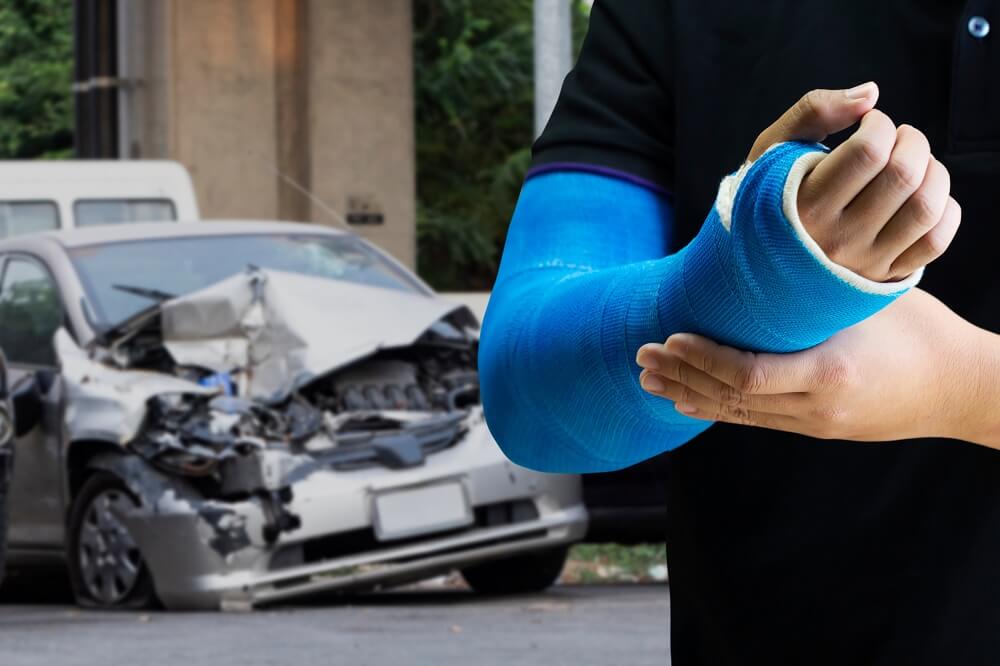
PUAEME008 Provide Discomfort Monitoring educates not only how to press a drug or use a splint, yet exactly how to manage the small decisions that make acute discomfort manageable without jeopardizing security. It prepares you for the confined rooms and incomplete details that specify pre-hospital work. Pair it with proceeded discomfort management training, look for responses, and keep refining. The ability is worth the effort, and the outcomes reveal on every shift.